
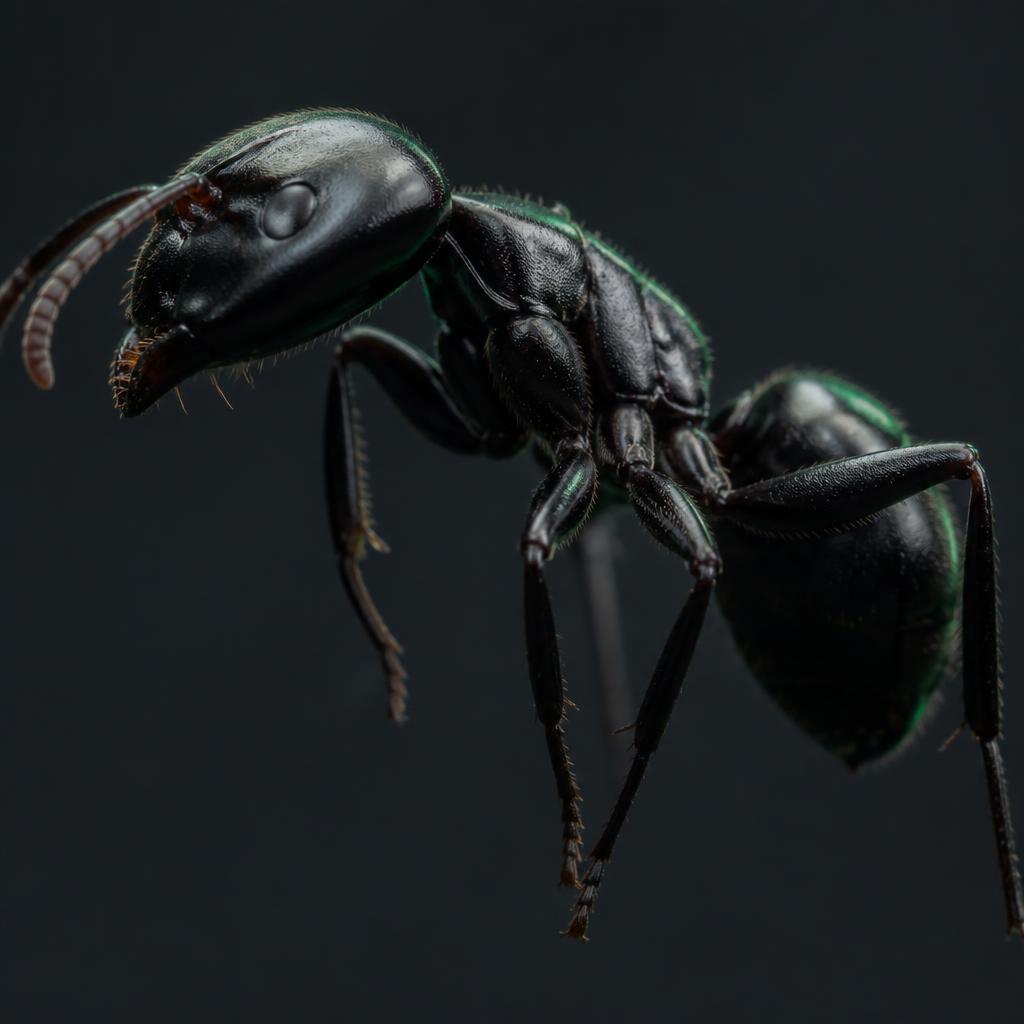
The black garden ant is the species behind most summer ant complaints across the North West. Workers trail indoors looking for sugars, and flying ant day in mid-summer brings the winged reproductives that alarm most households. Occasionally we find species nesting inside heated buildings, which need a different approach.
Signs of ants
- Persistent trails to a food source
- Fine soil deposits around paving joints and airbricks
- Winged ants emerging indoors in summer
Health risks
- Not a major health risk, but ants can carry contamination across food surfaces
Property damage
- Little structural damage from garden ants; nuisance and contamination are the main issues
What you can do yourself
- Sprays kill workers but leave the nest producing more
- The nest is often outside and difficult to locate
When to call a professional
- Treatment aimed at the colony rather than the visible trail
- Identification of the entry route into the building
- Advice on the conditions attracting them indoors
Prevention tips
- Clear food debris and sugary spills promptly
- Seal gaps around door thresholds and airbricks
- Keep bins clean and closed
Frequently asked questions
Are flying ants a different species?
No — they are the winged reproductive stage of the same colony, usually appearing on one or two warm days in summer.
Dealing with ants right now?
We cover Merseyside, Cheshire, Greater Manchester and Lancashire. Send your postcode and we will confirm the earliest appointment.
 Rats
Rats Mice
Mice Wasps
Wasps