
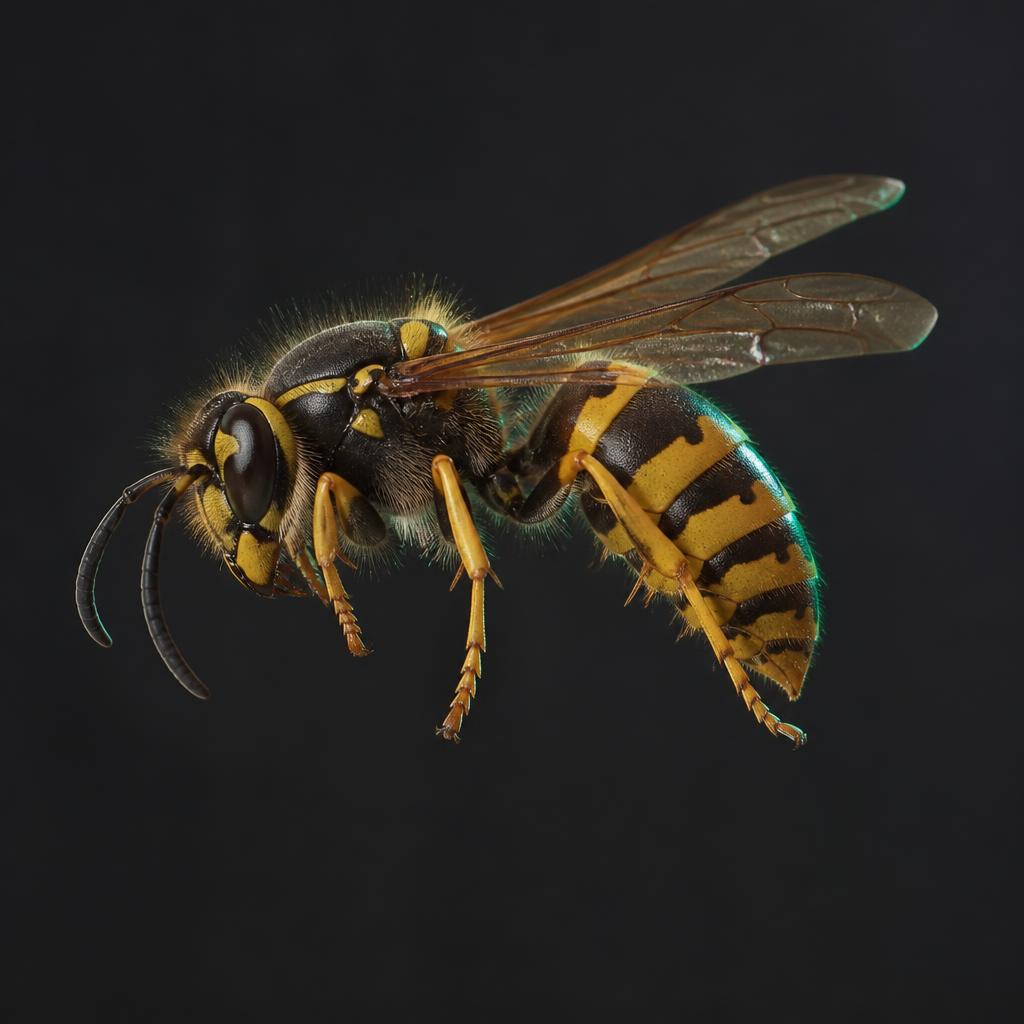
A wasp nest starts in spring as a golf-ball sized structure built by a single queen and can hold thousands of insects by late summer. Most North West call-outs involve nests in roof voids, behind soffits and fascias, in sheds, or in banks and hedgerows in gardens.
Signs of wasps
- Continuous wasp traffic in and out of one small gap
- A grey, papery nest visible in a loft or outbuilding
- Increasing wasp numbers in an upstairs room
- Aggressive wasp behaviour around one area of the garden
Health risks
- Stings are painful and can be dangerous for anyone with an allergy
- Disturbed nests can produce a defensive mass response
- Nests near doorways, play areas or trading entrances present an obvious risk
Property damage
- Nests in cavities can stain plasterwork and ceilings
- Chewed timber where nest material is harvested
What you can do yourself
- Aerosols rarely reach the nest core
- Partial treatment often makes wasps more defensive
- Loft and roofline nests usually mean working at height without protection
When to call a professional
- Safe location of the nest, including nests at height
- Treatment at source using appropriate protective equipment
- Clear advice on how long to stay away from the area
Prevention tips
- Check lofts, sheds and soffits in spring for early nests
- Keep bins covered and clear fallen fruit
- Seal gaps in soffits and fascias where practical
Frequently asked questions
Should the nest be removed after treatment?
Often it can safely be left in place, because wasps do not reuse an old nest the following year.
What if they're bees?
Bees are treated very differently and are beneficial. We will identify the species and advise accordingly.
Dealing with wasps right now?
We cover Merseyside, Cheshire, Greater Manchester and Lancashire. Send your postcode and we will confirm the earliest appointment.
 Rats
Rats Mice
Mice Cockroaches