
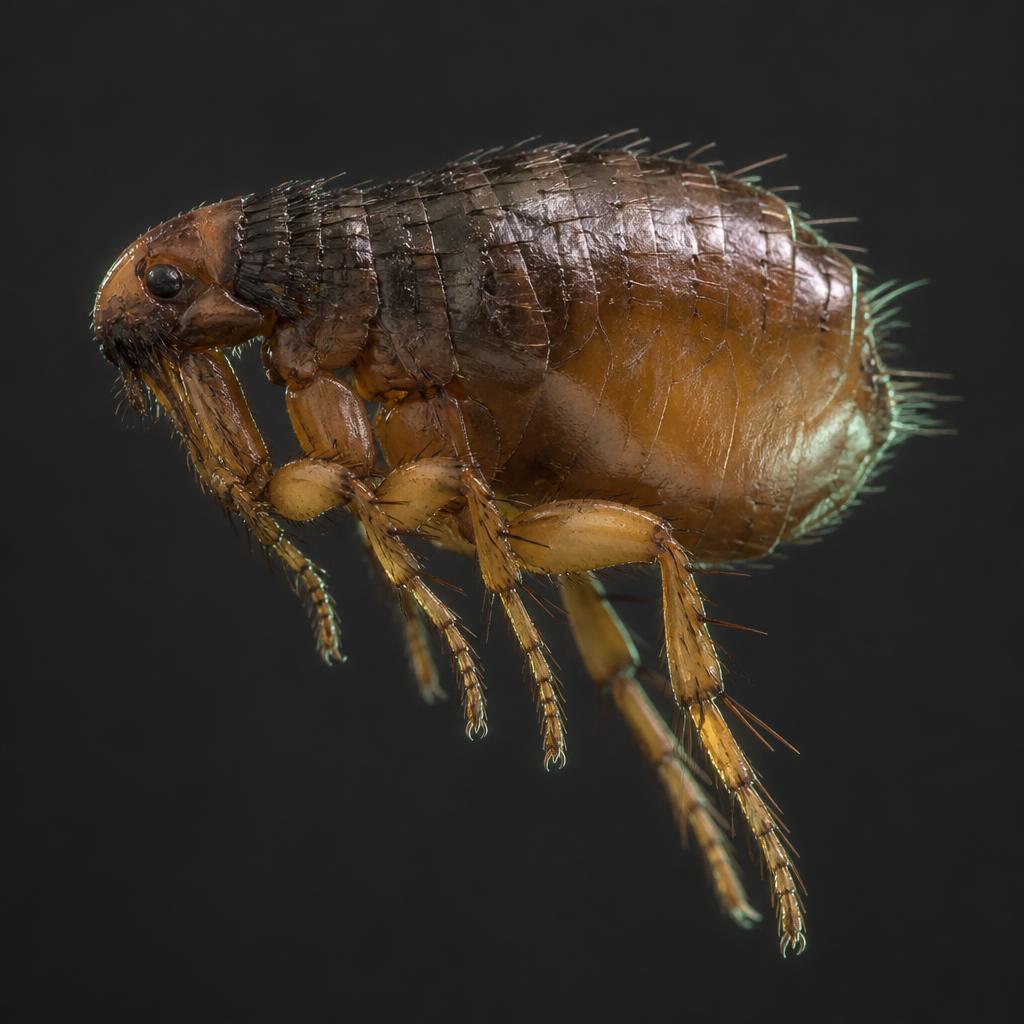
Cat and dog fleas are the species behind almost all household flea problems. Eggs drop off the animal into carpets and bedding, so the property itself becomes the reservoir. Treating the pet alone is why so many flea problems come straight back.
Signs of fleas
- Bites, usually around ankles and lower legs
- Pets scratching persistently
- Small dark specks (flea dirt) in pet bedding
- Fleas jumping when you walk across a carpet after a period away
Health risks
- Bites cause irritation and can become infected if scratched
- Some people react strongly to flea bites
Property damage
- No structural damage, but soft furnishings may need thorough treatment and cleaning
What you can do yourself
- Treating the animal without treating the property leaves the life cycle intact
- Pupae are resistant and can hatch weeks later
When to call a professional
- Whole-property treatment of the affected floor areas
- Clear guidance on the vacuuming regime that supports treatment
- Advice on coordinating with your vet's treatment of the animal
Prevention tips
- Keep up regular veterinary flea treatment for pets
- Wash pet bedding hot and regularly
- Vacuum carpets and upholstery frequently and empty outside
Frequently asked questions
Why are there still fleas after treatment?
Pupae can hatch after treatment is applied. Continued vacuuming helps trigger hatching and shortens the tail-off period.
Do I need to leave the property?
Appropriate treatment and safety advice will be provided based on the specific pest problem, property and treatment required.
Dealing with fleas right now?
We cover Merseyside, Cheshire, Greater Manchester and Lancashire. Send your postcode and we will confirm the earliest appointment.
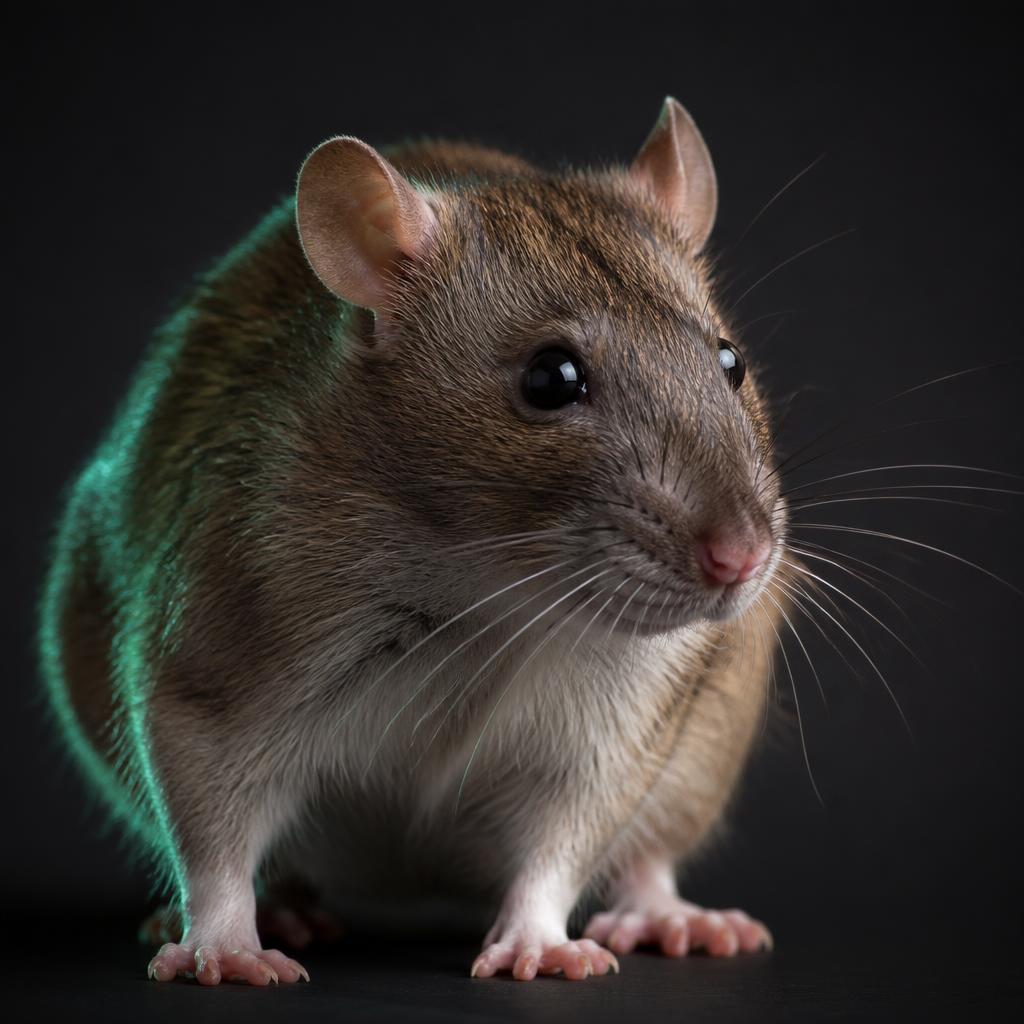 Rats
Rats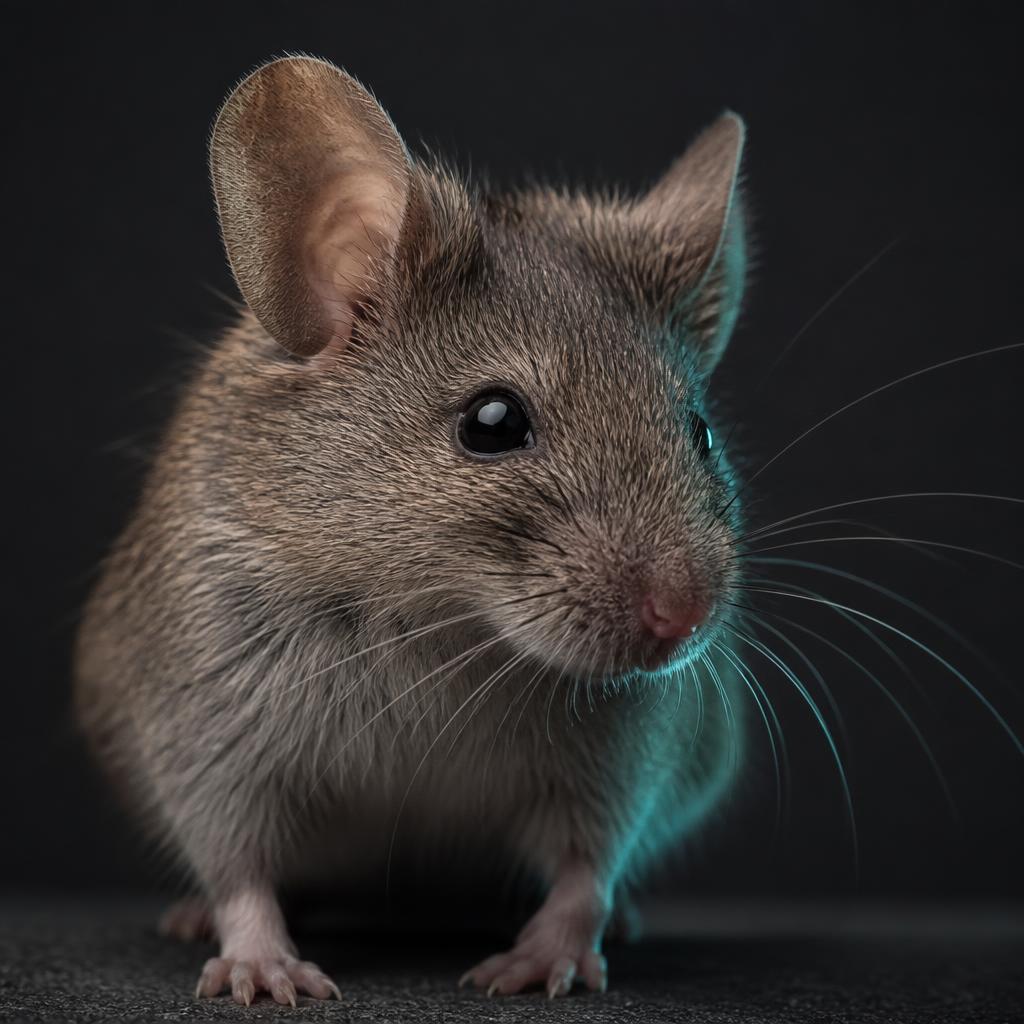 Mice
Mice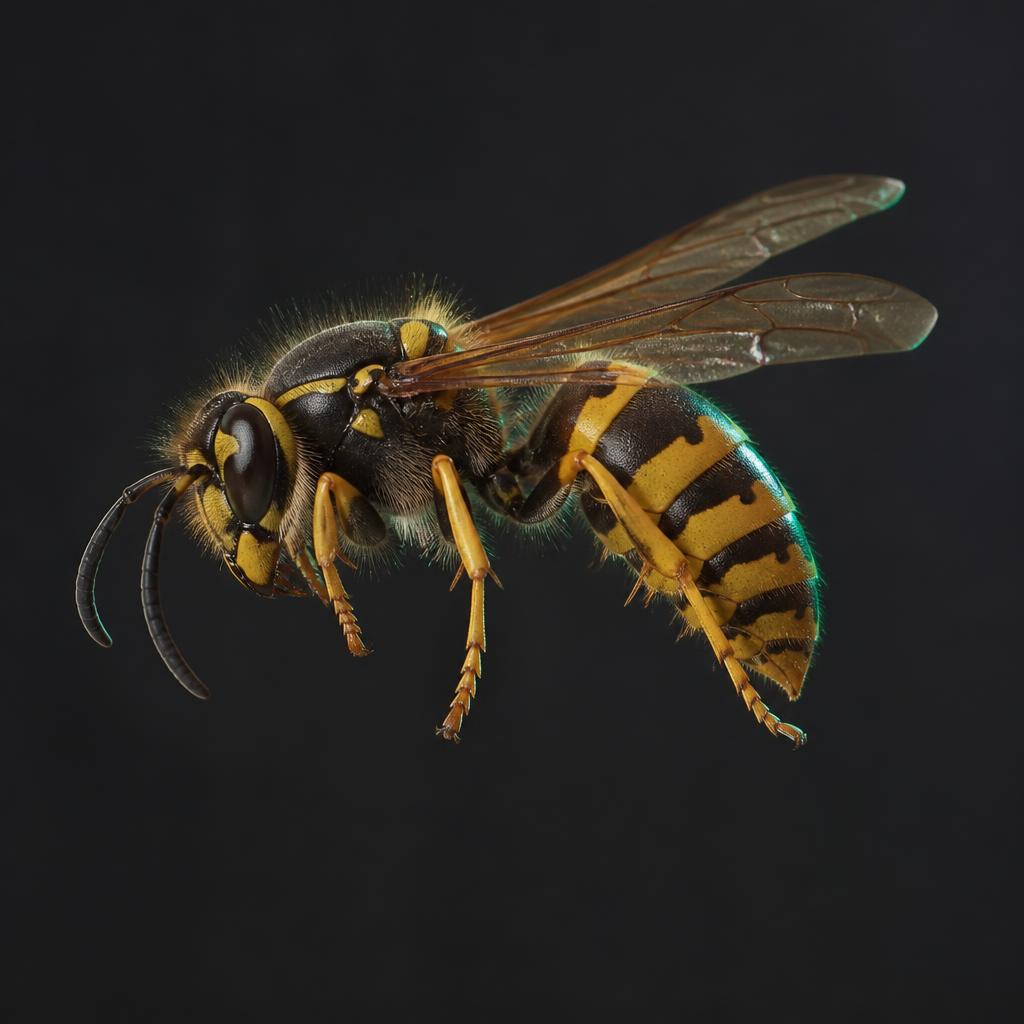 Wasps
Wasps