
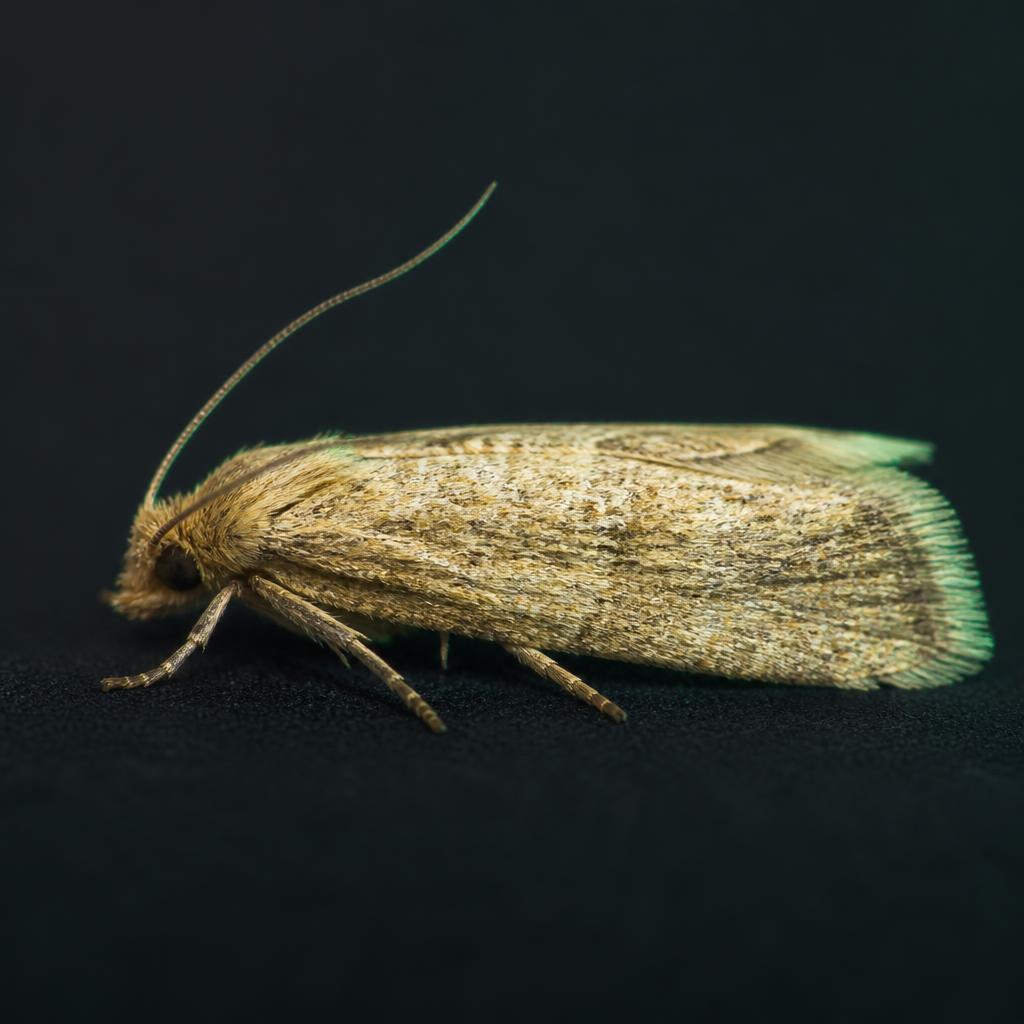
Clothes moths damage wool, silk and natural-fibre carpets, and the damage is caused by larvae rather than the adults you see flying. Food moths, usually Indian meal moth, appear in dry goods such as rice, flour, cereals and pet food. The two need very different responses.
Signs of moths
- Irregular holes in woollens and carpets
- Silken tubes or webbing in wardrobes or dry goods
- Small moths flying in a consistent room
- Larvae or casings in food packets
Health risks
- No significant health risk, though contaminated food should be discarded
Property damage
- Permanent damage to clothing, rugs and carpets
- Spoiled dry food stock in homes and commercial kitchens
What you can do yourself
- Repellent products do not deal with larvae already established
- The source packet or garment often stays undiscovered
When to call a professional
- Locating the true source rather than treating symptoms
- Targeted treatment of affected areas
- Practical storage and cleaning advice to prevent recurrence
Prevention tips
- Clean garments before long-term storage
- Vacuum under furniture and along carpet edges
- Store dry goods in sealed containers and rotate stock
Frequently asked questions
The moths I see aren't eating anything — why?
Adult clothes moths do not feed on fabric. The larvae cause the damage, which is why treatment focuses on where they are developing.
Dealing with moths right now?
We cover Merseyside, Cheshire, Greater Manchester and Lancashire. Send your postcode and we will confirm the earliest appointment.
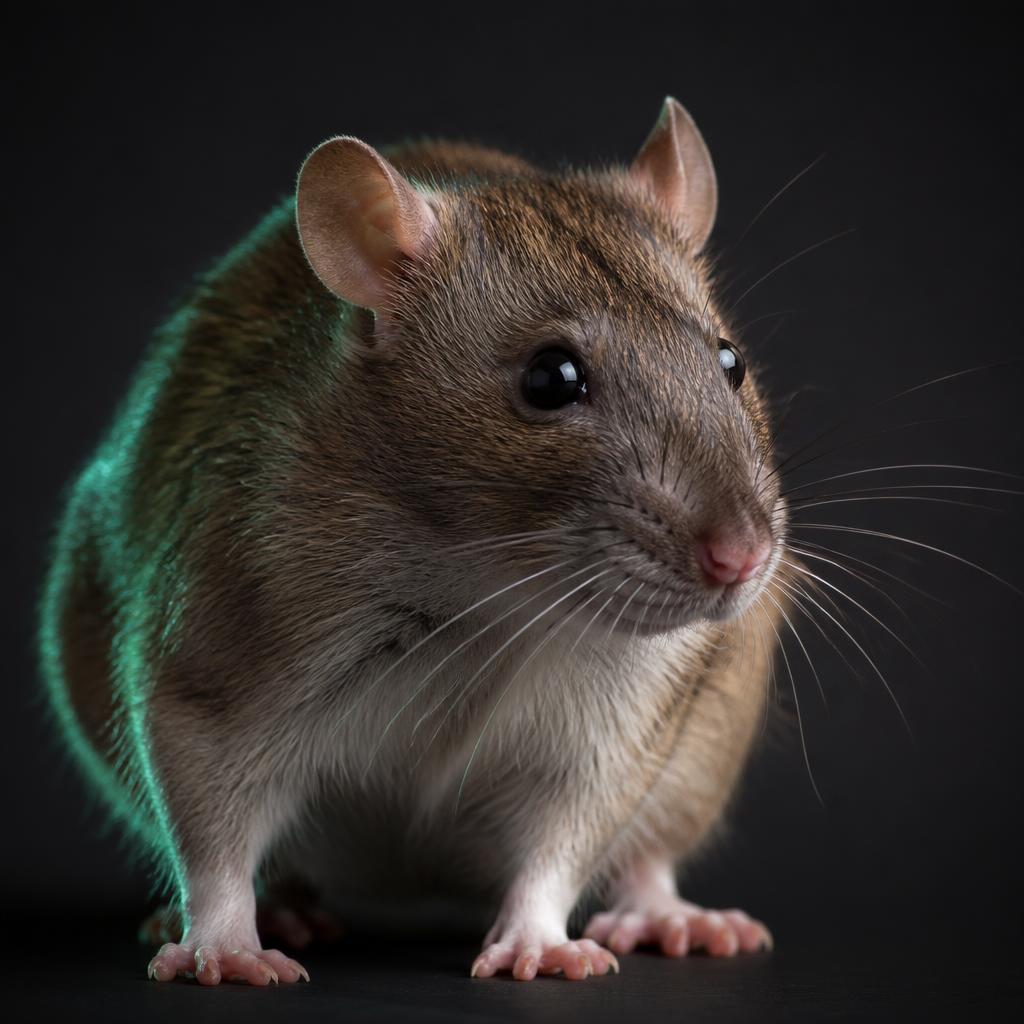 Rats
Rats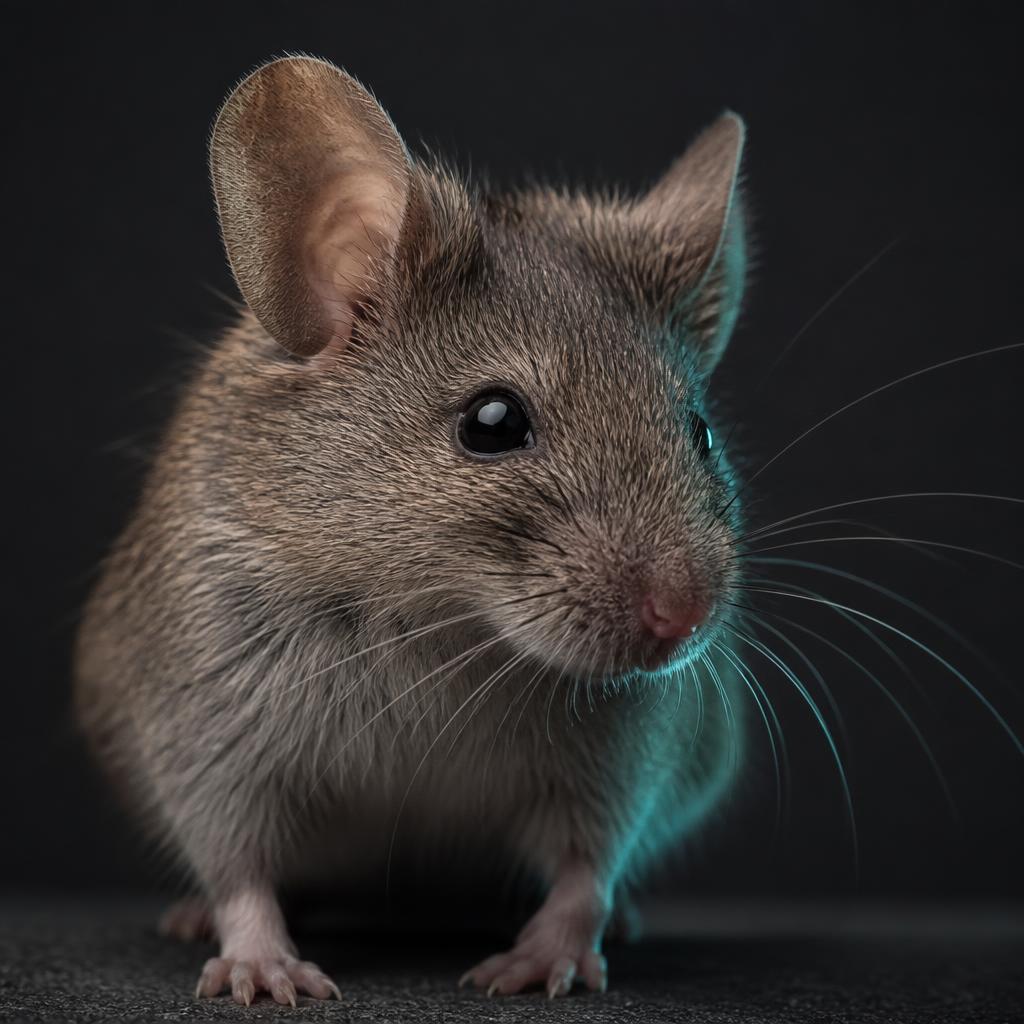 Mice
Mice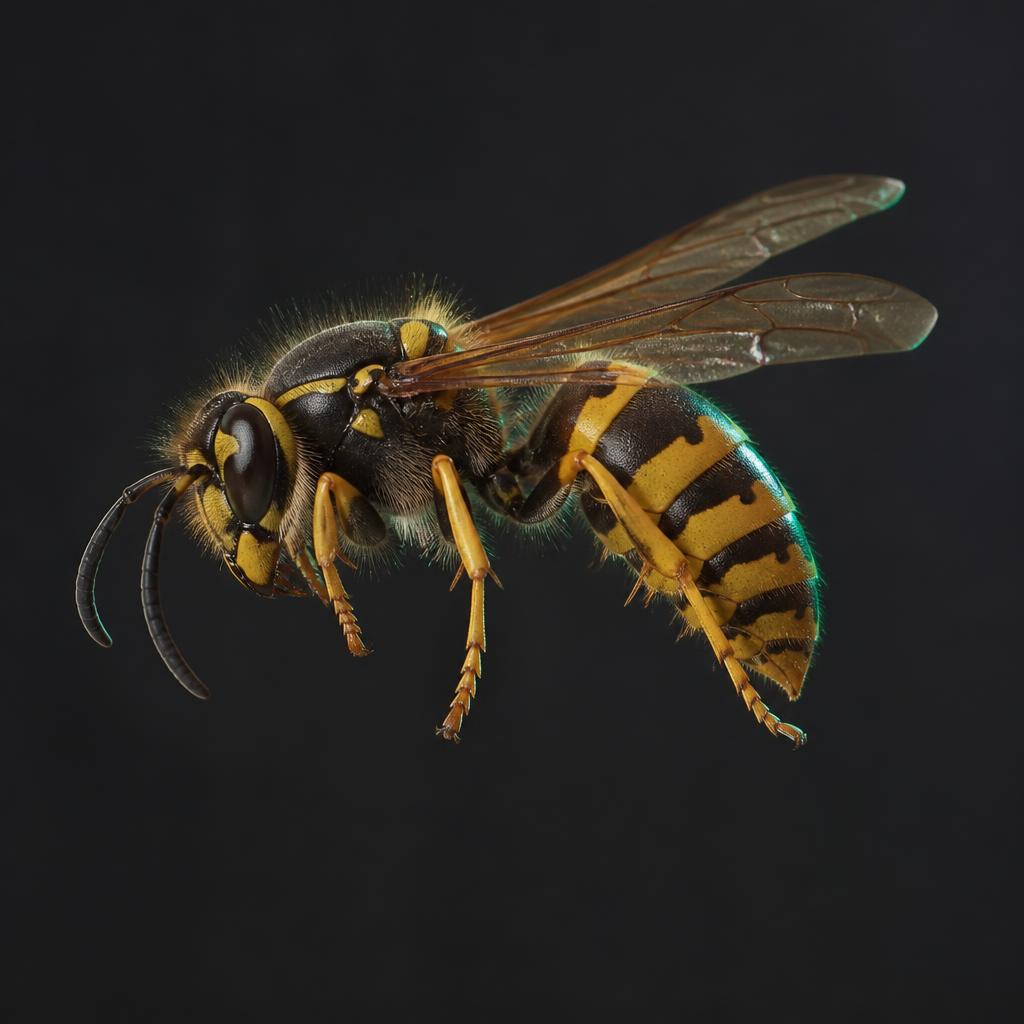 Wasps
Wasps