
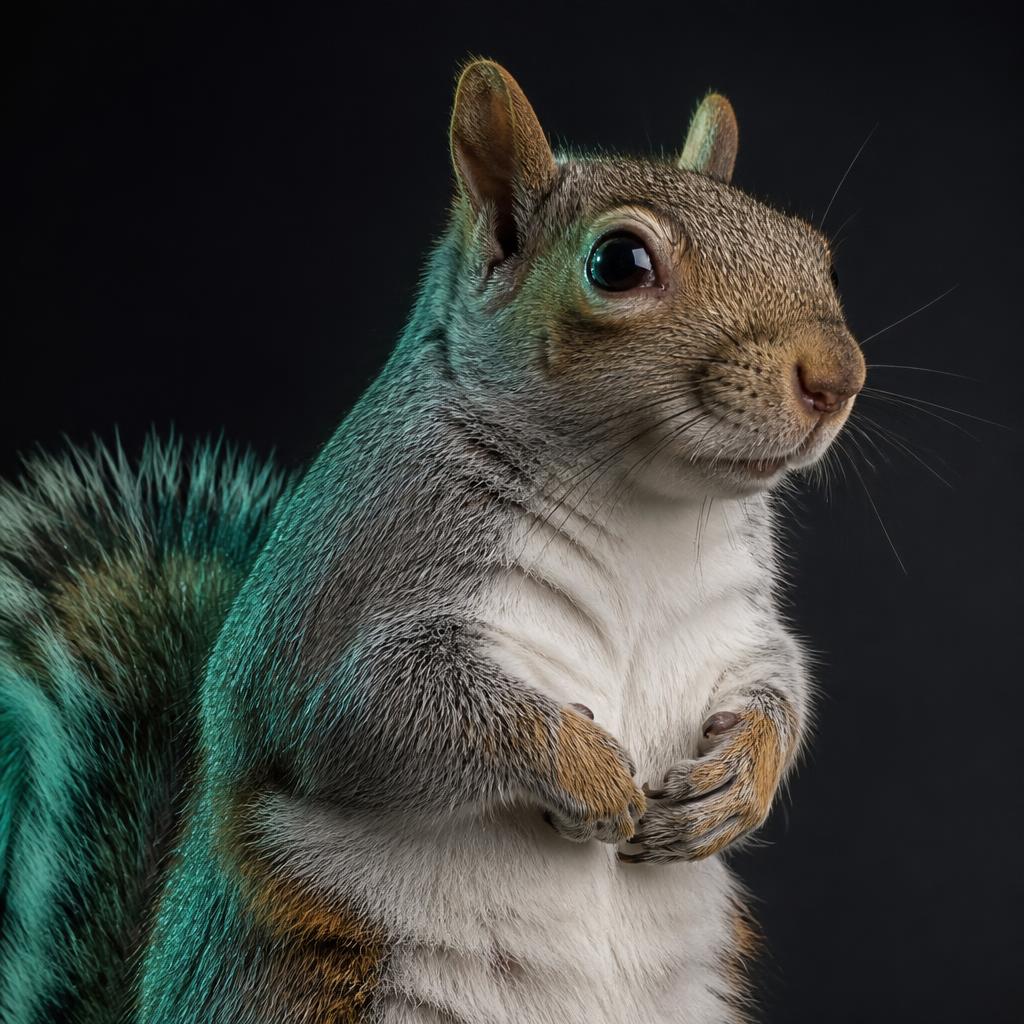
Grey squirrels regularly get into North West lofts through gaps in soffits, damaged tiles and overhanging branches. They are noisy, they gnaw, and they can cause meaningful damage to cabling and insulation. Grey squirrels are a non-native invasive species and are subject to specific legal requirements around handling and release.
Signs of squirrels
- Heavy daytime scurrying in the loft, unlike the nocturnal noise of rodents
- Damaged soffits, tiles or fascia boards
- Shredded insulation and stored items
- Droppings in the loft space
Health risks
- Contamination of loft spaces
- Risk of injury if a squirrel is cornered
Property damage
- Gnawed electrical cabling, a fire risk
- Damaged insulation, water tanks and stored goods
- Damage to roofline timber and boarding
What you can do yourself
- Blocking access with animals still inside causes serious problems
- Handling and release are subject to legal restrictions
When to call a professional
- Survey to confirm activity and locate all access points
- Lawful control appropriate to the situation
- Proofing so the roof space stays secure afterwards
Prevention tips
- Cut back branches overhanging the roof
- Repair damaged soffits, fascias and loose tiles
- Cap open chimneys
Frequently asked questions
Can you just remove and release them?
There are legal restrictions on releasing grey squirrels. We will explain what the law permits before any work begins.
Dealing with squirrels right now?
We cover Merseyside, Cheshire, Greater Manchester and Lancashire. Send your postcode and we will confirm the earliest appointment.
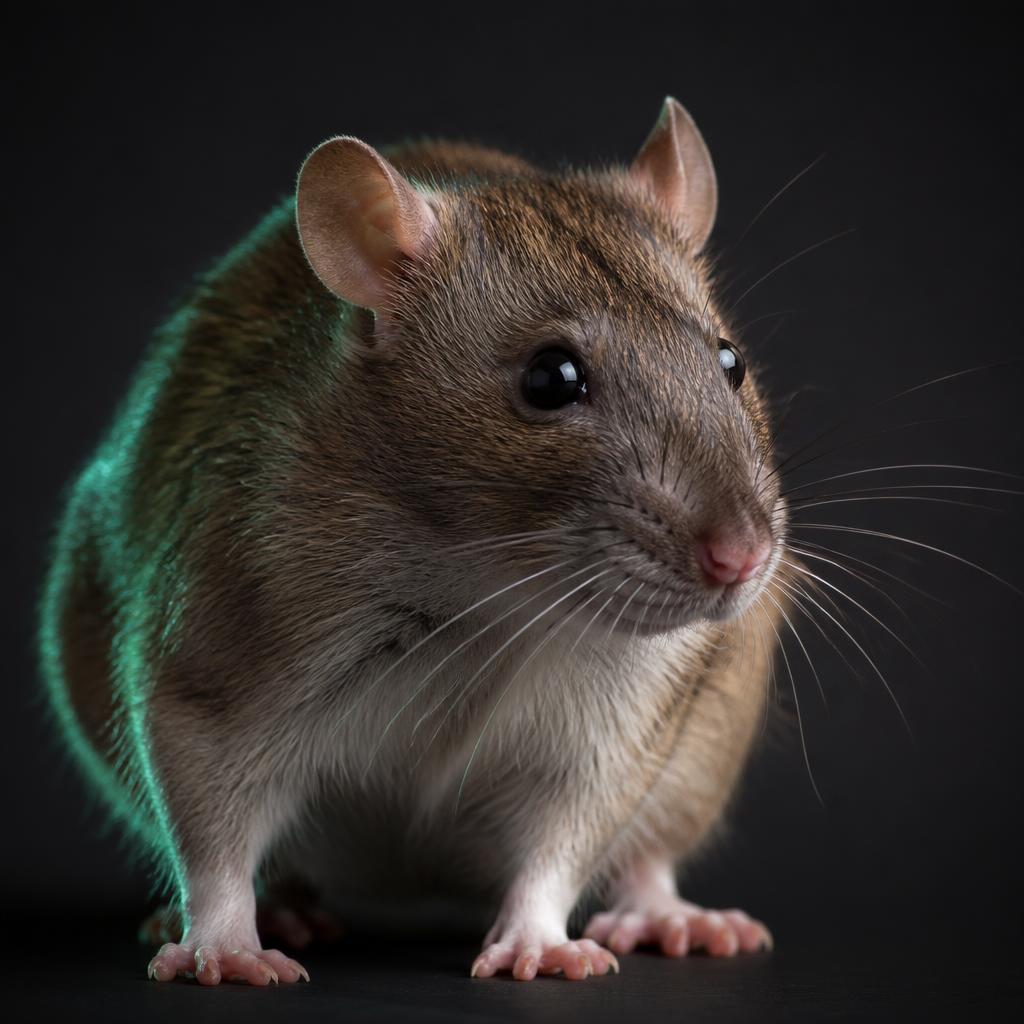 Rats
Rats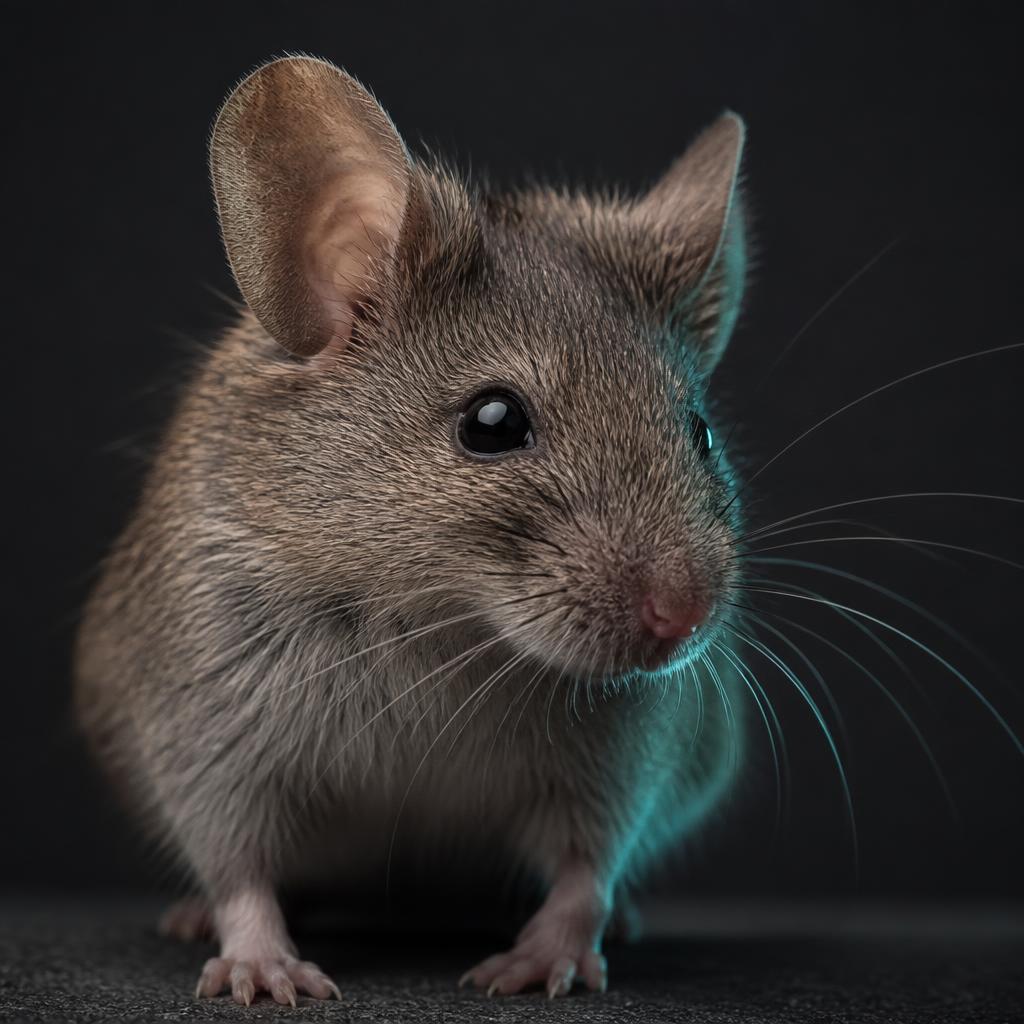 Mice
Mice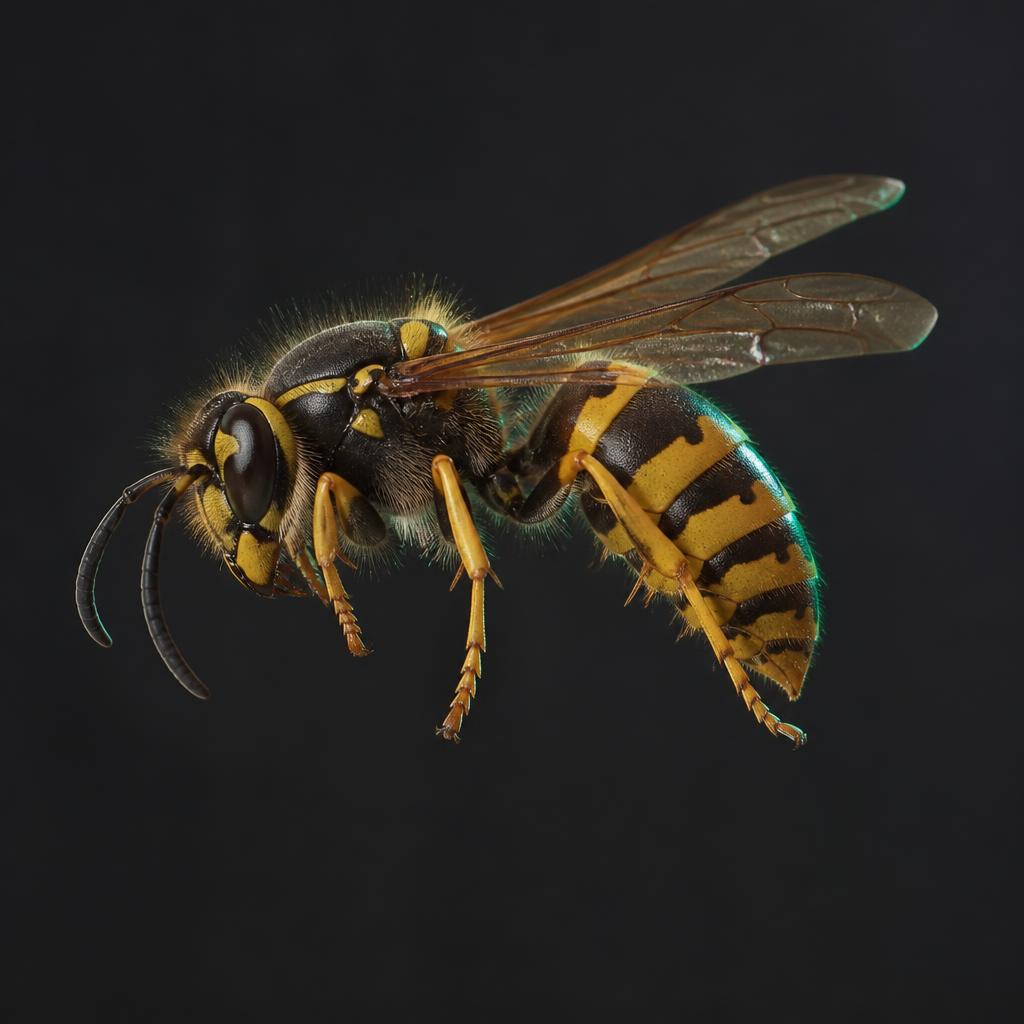 Wasps
Wasps